Summer Fire Safety in Australian Workplaces: Beyond the Bushfire Threat
Summer fire risks extend far beyond bushfires. Discover the hidden fire hazards in commercial buildings during the hot months and how to protect your workplace.
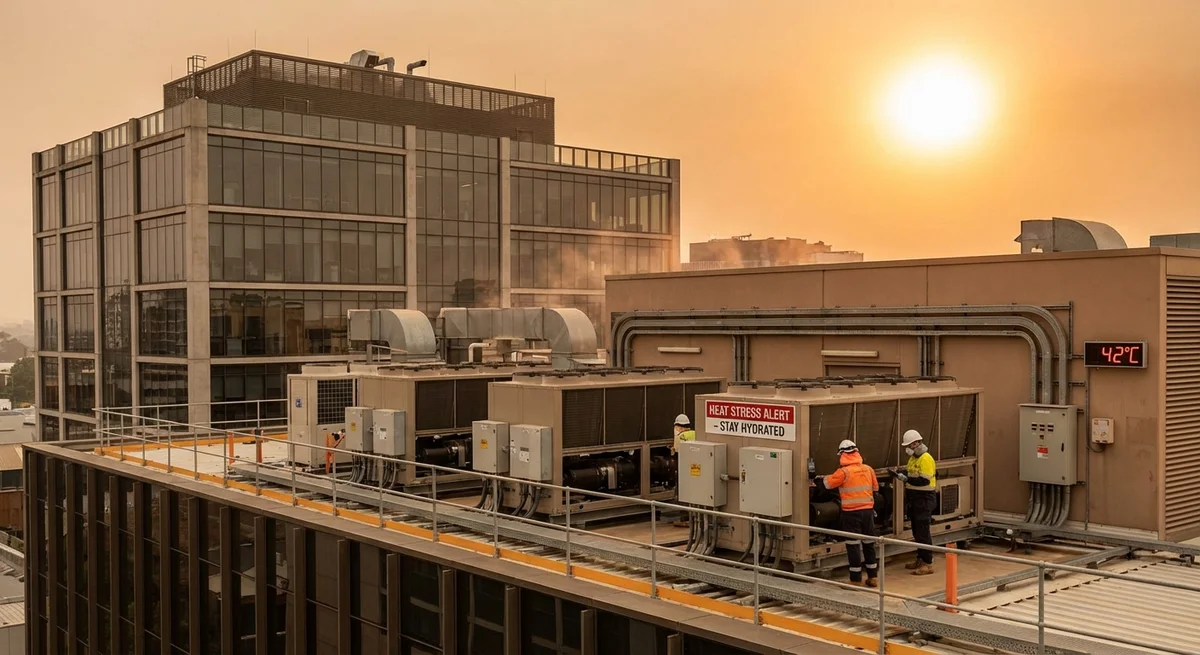
Understanding Summer Fire Risks in Commercial Buildings
When Australians think of summer fire risks, bushfires understandably dominate the conversation. However, commercial buildings face a range of fire hazards during the hotter months that have nothing to do with surrounding bushland.
Understanding these risks—and training your team to recognise and respond to them—is essential for maintaining workplace safety through summer. This is particularly relevant for our Queensland clients, where summer heat can be extreme and prolonged.
Electrical System Strain and Fire Hazards
The Heat Wave Effect
Summer places enormous strain on electrical systems. When temperatures soar:
- Air conditioning systems run constantly, drawing significant power
- Refrigeration equipment works harder to maintain temperatures
- Multiple devices compete for limited circuit capacity
- Electrical infrastructure operates closer to maximum capacity
This increased demand can lead to overloaded circuits, overheating cables and connections, increased risk of electrical fires, and equipment failures.
Warning Signs to Watch For
Train your fire wardens to recognise these electrical hazard indicators:
- Burning smells from electrical equipment or outlets
- Warm or hot power points and switches
- Flickering lights or intermittent power
- Frequently tripping circuit breakers
- Discoloured or melted power outlets
- Unusual sounds from electrical equipment (buzzing, crackling)
If any of these signs are observed, the equipment should be isolated and a qualified electrician engaged before continued use.
Air Conditioning and Ventilation Fire Risks
HVAC System Hazards
Air conditioning systems become critical infrastructure during summer but also present fire risks:
- Filter buildup: Dirty filters restrict airflow and force systems to work harder, potentially overheating motors
- Blocked condensate drains: Can cause water damage that affects electrical components
- Worn bearings and belts: Can generate heat and sparks
- Refrigerant leaks: Some refrigerants are flammable or create toxic gases when exposed to flame
Maintenance Requirements
Ensure your building’s HVAC systems receive pre-summer servicing and inspection, regular filter changes (more frequent during heavy use), prompt attention to unusual noises or reduced performance, and clear access for maintenance personnel.
Hot Work Permits and Increased Vigilance
Summer Hot Work Risks
If your workplace involves welding, grinding, cutting, or other hot work, summer conditions amplify the risks. Lower humidity means materials ignite more easily, heat can affect worker concentration and judgement, combustible materials may be drier and more flammable, and sparks travel further in dry, windy conditions.
Enhanced Hot Work Controls
During summer, consider extending fire watch periods after hot work completion, increasing the radius of cleared areas around hot work, pre-wetting surrounding areas where appropriate, scheduling hot work for cooler parts of the day, and ensuring fire extinguisher training is current for all hot work personnel.
Emergency Plan Considerations for Extreme Heat
Heat-Related Emergency Procedures
Your emergency plans should address summer-specific scenarios including power outage procedures (loss of air conditioning in extreme heat can quickly become a health emergency), heat illness response (staff recognition and response to heat stroke and heat exhaustion), modified evacuation procedures (consider the impact of evacuating to outdoor assembly points in extreme heat), and water and shade provisions at assembly points.
Assembly Point Adaptations
During summer, your standard assembly points may need modification. Is there adequate shade for extended waits? Is drinking water accessible? Are there alternative indoor assembly points for extreme heat days? Have wardens been briefed on heat illness signs and responses?
Staff Awareness: Recognising Summer-Specific Hazards
Training Your Team
Effective summer fire safety requires engaged staff who understand the unique seasonal risks. Consider pre-summer toolbox talks on electrical safety and heat-related hazards, refresher training for wardens on summer-specific fire risks, clear reporting procedures for electrical concerns, and regular reminders about keeping fire exits clear.
Common Summer Fire Hazards to Address
Educate staff about these frequently overlooked summer risks:
- Personal fans and heaters: Portable devices brought from home may not meet workplace electrical standards
- Overloaded powerboards: Charging multiple devices and running fans from single outlets
- Blocked vents: Equipment pushed against walls or storage blocking air circulation
- Barbecue and cooking equipment: Office social events with outdoor cooking
- Battery storage: Lithium batteries in laptops and phones can swell and ignite in extreme heat
Pre-Summer Safety Checklist
Before the heat arrives, ensure HVAC systems are serviced and filters changed, electrical inspections for high-demand areas are complete, warden summer briefings are completed, emergency plans are reviewed for heat-related procedures, fire extinguisher maintenance is current, and assembly point shade and water provisions are checked.
How Messana Group Can Help
Our team provides comprehensive summer fire safety support, including:
- Fire warden training that covers seasonal hazards and summer-specific risks
- Fire extinguisher training so your team knows when and how to respond to fires safely
- Emergency plan reviews to ensure your procedures address heat-related scenarios
For our Queensland clients, we understand the particular challenges of managing workplace safety through long, hot summers.
Next Steps
Ensure your fire wardens are trained for summer risks. Book a training session with Messana Group or call 1300 622 030 to discuss your summer safety requirements.
Related Services
Need Help With Emergency Management?
Contact us for a free compliance assessment and discover how we can help your organisation.