Queensland Cyclone Season: Emergency Planning for North Queensland Businesses
Essential cyclone emergency planning for North Queensland businesses. Prepare your workplace with cyclone-specific procedures and coordination strategies.
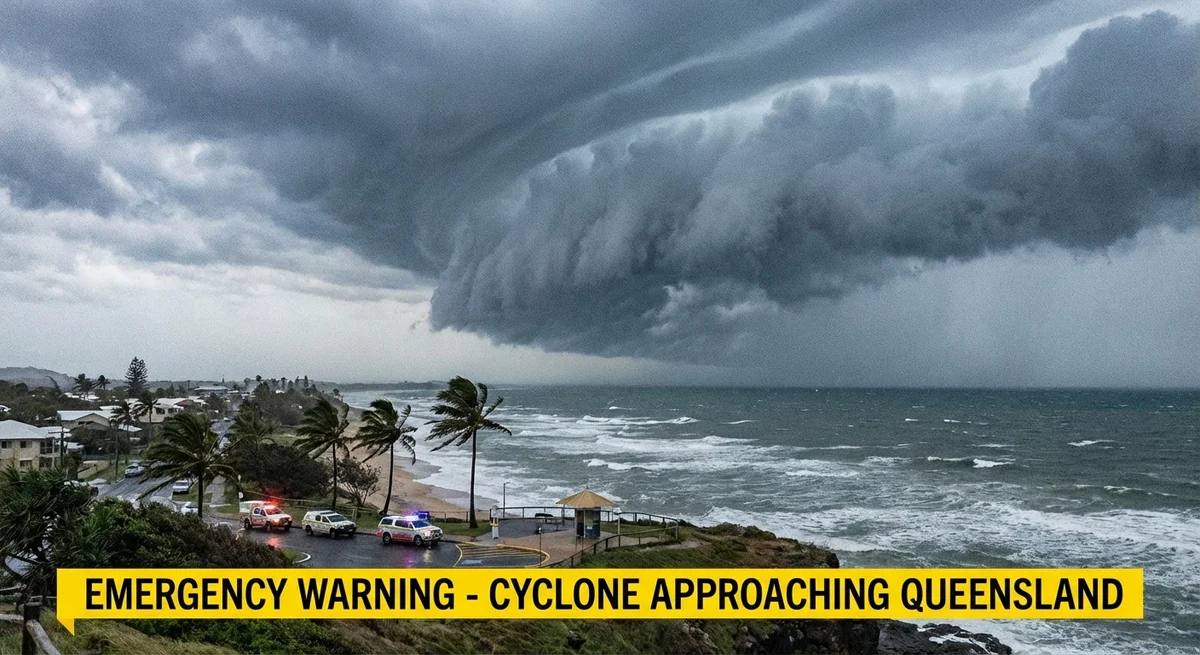
Understanding Queensland’s Cyclone Season
For businesses operating in North Queensland, cyclone season (November to April, with peak activity from January to March) presents unique emergency management challenges that differ significantly from standard fire evacuation planning.
Our Queensland team works with many businesses in cyclone-prone regions, helping them develop procedures that protect both people and operations during these extreme weather events.
Cyclone-Specific Emergency Plan Requirements
Beyond Standard Emergency Plans
While your standard emergency plan covers fire evacuation and general emergencies, cyclone preparedness requires additional elements:
- Warning phase procedures: Actions to take during each cyclone warning category
- Shelter-in-place protocols: When and how to shelter within your building
- Early release procedures: Getting staff home safely before conditions deteriorate
- Business closure triggers: Clear criteria for when to cease operations
- Post-cyclone procedures: Safe return to work and damage assessment
Warning System Integration
Your plan should reference the Bureau of Meteorology’s cyclone warning system. A Cyclone Watch is issued 48 hours before expected impact—this is when you begin preparation. A Cyclone Warning is issued 24 hours before impact—implement protection measures. Core impact timing means final preparations must be complete before destructive winds arrive.
Pre-Cyclone Preparation
Building Assessment
Before cyclone season, assess your premises. Are windows protected or can cyclone shutters be installed? Is the roof properly secured and maintained? Are there loose items outside that could become projectiles? Is your building rated for cyclone conditions? What’s the flooding risk to your location?
Resource Stockpiling
Maintain cyclone supplies including sufficient drinking water (allow 3 litres per person per day for 3 days minimum), battery-powered radio and spare batteries, torches and spare batteries, first aid kit, emergency contact lists, important documents in waterproof storage, and sandbags if flood-prone.
Data and Systems
Protect your business information through regular off-site or cloud backups, UPS systems for critical equipment, documented procedures for safe system shutdown, and contact details for IT support and recovery services.
Decision Framework: Close, Shelter, or Evacuate
One of the most challenging aspects of cyclone management is deciding the right course of action.
When to Close and Send Staff Home
Consider early closure when a Cyclone Warning has been issued, destructive winds are expected within 12-24 hours, public transport may cease operating, staff have significant travel distances, or childcare/school closures will affect staff availability.
Key principle: Staff should be home and sheltered before destructive winds arrive. Don’t wait until conditions deteriorate.
When to Shelter in Place
Shelter-in-place may be appropriate when cyclone conditions arrive faster than expected, it’s no longer safe to travel, your building is a designated cyclone shelter, or staff can’t reach home safely.
If sheltering, move to the strongest part of the building (usually internal rooms, away from windows), and stay there until authorities advise it’s safe.
When Evacuation is Necessary
Evacuation to official shelters may be required if your building is not cyclone-rated, you’re in a designated evacuation zone, flooding threatens your location, or authorities issue evacuation orders.
Know your closest official cyclone shelter and have evacuation routes planned.
Post-Cyclone Return-to-Work Procedures
Safety Assessment Before Re-entry
After a cyclone passes, don’t rush back to the workplace. Wait for official advice that it’s safe to travel, be aware that the cyclone’s “eye” brings temporary calm—dangerous conditions resume when it passes, check for road closures and hazards, and confirm power and utilities status.
Building Inspection
Before staff return, assess the building for structural damage, water ingress and potential electrical hazards, broken glass and debris, contaminated or damaged supplies, and essential services functionality.
Consider engaging professional building inspectors if significant damage is possible.
Coordination with Emergency Services
Pre-Season Relationships
Before cyclone season, register with your local council’s disaster management contacts, understand local emergency management arrangements, know your responsibilities under any relevant industry regulations, and establish relationships with neighbouring businesses for mutual support.
During Events
During cyclone events, monitor official channels (BOM, Queensland Fire and Emergency Services), follow all official directions and warnings, report significant damage or emergencies through proper channels, and don’t call emergency services for non-emergencies.
Training Your Team
Cyclone-Specific Awareness
Ensure all staff understand the cyclone warning system and what each level means, your business’s specific cyclone procedures, individual responsibilities during each phase, and how decisions will be communicated.
Practical Exercises
Consider conducting evacuation exercises that include cyclone scenarios. Practice building securing procedures, test communication systems, rehearse shelter-in-place protocols, and verify contact trees work effectively.
How Messana Group Can Help
Our Queensland team understands the unique challenges of cyclone-prone regions. We provide:
- Emergency plan development that includes cyclone-specific procedures
- Evacuation exercises incorporating severe weather scenarios
- Fire warden training that addresses multiple emergency types
- Compliance reviews ensuring your cyclone preparedness meets requirements
Next Steps
Don’t wait until a cyclone is approaching to review your preparedness. Contact our Queensland team for cyclone-ready emergency plan development or call 1300 622 030 to discuss your requirements.
Related Services
Need Help With Emergency Management?
Contact us for a free compliance assessment and discover how we can help your organisation.